
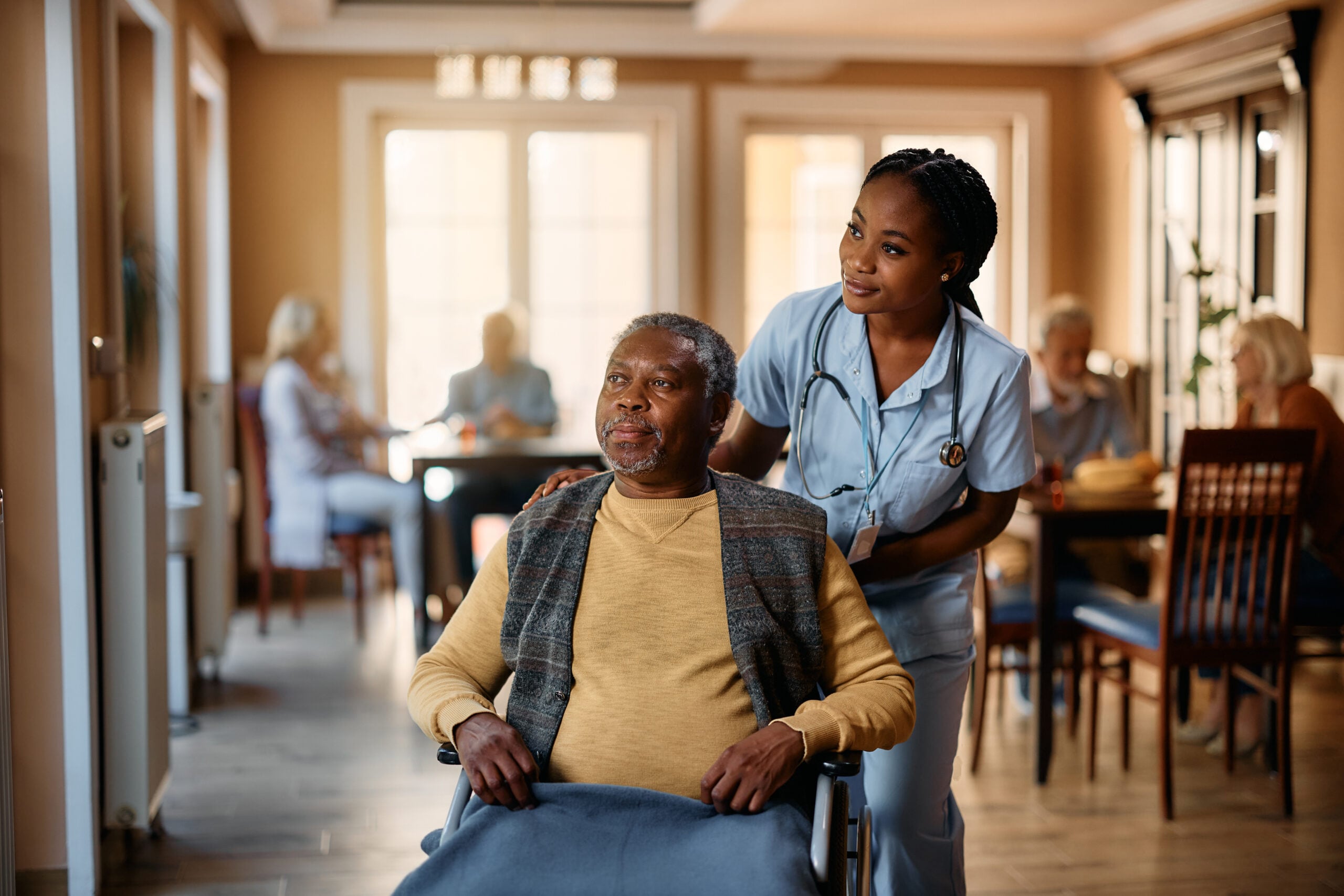
Few decisions carry more emotional weight than recognizing that a family member needs a level of care that cannot be provided at home or in an assisted living community. When that moment arrives, families often encounter the term skilled nursing facility for the first time and are not entirely sure what it means or whether it is truly what their loved one needs.
Understanding what skilled nursing facility care actually involves, when it is the medically appropriate choice, and how it differs from other care settings helps families make this decision with clarity rather than anxiety. Holly Hall’s skilled nursing program is designed to provide exactly this level of care for the people who need it.
What Skilled Nursing Facility Care Actually Is
A skilled nursing facility, commonly abbreviated as SNF, is a licensed medical care setting that provides 24-hour nursing supervision, along with rehabilitative and therapeutic services, for individuals with complex medical needs, recovering from hospitalization or surgery, or requiring ongoing clinical management beyond what assisted living can provide.
The defining characteristic of skilled nursing care is the level of clinical expertise involved. Licensed registered nurses and licensed vocational nurses are present around the clock. Physical therapists, occupational therapists, speech-language pathologists, and other rehabilitation specialists provide services that are specific to each resident’s care plan. A medical director and attending physicians provide oversight and are available for consultation on complex clinical decisions.
Common Situations That Require Skilled Nursing Care
Post-Acute Recovery After Hospitalization
One of the most common reasons a person enters a skilled nursing facility is recovery following a hospitalization for a major surgery, a cardiac event, a stroke, a fracture, or another acute medical situation. Medicare covers skilled nursing facility care for eligible individuals following a qualifying hospital stay when skilled nursing or rehabilitative services are medically necessary. This coverage allows patients to receive intensive rehabilitation in a setting that can manage their full medical picture before transitioning home or to a lower level of care.
Complex Wound Care
Wounds that require clinical management, including pressure injuries, surgical wounds, or wounds in individuals with diabetes or compromised circulation, often cannot be adequately managed at home or in an assisted living setting. Skilled nursing facilities have wound care nurses who manage these conditions with appropriate clinical protocols, reducing the risk of infection, deterioration, and the complications that can result from inadequate wound management.
Intravenous Therapy and Complex Medication Management
Intravenous antibiotics, hydration therapy, and other IV-administered treatments require clinical oversight that goes beyond what assisted living staff are trained and licensed to provide. Skilled nursing facilities are equipped to manage these treatments and to monitor patients for responses and complications. Complex medication regimens, particularly those involving multiple medications with narrow therapeutic windows, are also more safely managed in a skilled nursing environment.
Advanced Cognitive Impairment With Behavioral Needs
Individuals with advanced dementia or other forms of cognitive impairment who exhibit behavioral symptoms, including agitation, wandering, or care resistance, often require a level of supervision and specialized behavioral support that exceeds what assisted living communities can safely provide. Memory care units within skilled nursing facilities offer the staffing ratios and clinical expertise to manage these situations safely and compassionately.
How Skilled Nursing Differs From Assisted Living
Assisted living is designed for individuals who need support with activities of daily living but do not require continuous clinical nursing supervision. The staffing model, the physical environment, and the regulatory requirements are all structured around a lower level of medical need. When a resident’s condition progresses beyond what an assisted living community can safely support, the appropriate transition is to a higher level of care.
This transition is not a failure. It is the care continuum working as intended. Holly Hall offers both assisted living and skilled nursing care on the same campus, which means that when a resident’s needs change, the transition can happen within the community they already know, preserving the relationships and the sense of place that matter enormously to older adults.
Skilled Nursing Care at Holly Hall
Holly Hall’s skilled nursing program is led by a clinical team committed to providing dignified, person-centered care that addresses the full range of each resident’s needs. We provide short-term rehabilitative care for individuals recovering from hospitalization as well as long-term skilled nursing care for those with ongoing medical needs. Our team coordinates closely with physicians and family members to ensure that care plans reflect both the medical realities and the personal preferences of every individual we serve.
Contact us to schedule a visit and learn more about our skilled nursing program and how we can support your family.
